
Oct
16
16
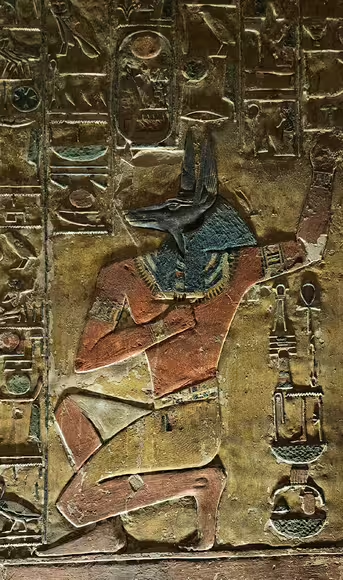
On October 16, 1817, Italian explorer Giovanni Battista Belzoni began excavations in Egypt’s Valley of the Kings that would reveal an extraordinary royal burial place. Two days later, he reached the entrance to the tomb now identified as that of Pharaoh Seti I. Its richly decorated interior brought the artistry of ancient Egypt vividly before nineteenth-century eyes.
A Remarkable Discovery Beneath the Rock
Working with Egyptian labourers, Belzoni investigated a spot beneath a steep hillside where rainwater drained into the ground. Excavation exposed a concealed entrance on October 18. Beyond it lay an extensive series of passages and chambers carved into the rock.
The monument, now designated KV17, astonished Belzoni with the quality and freshness of its painted decoration. Its rediscovery became one of the defining achievements of his explorations in Egypt.
A Royal Journey into the Afterlife
Seti I, father of Ramesses II, ruled during Egypt’s Nineteenth Dynasty. His tomb was designed to prepare the king for existence beyond death, with religious scenes and texts covering walls and ceilings.
These images expressed ancient Egyptian beliefs about divine protection, renewal and the sun’s passage through the underworld. The tomb’s carefully carved figures and painted surfaces also reveal the exceptional skill of the craftspeople who created it.
An Extraordinary Stone Sarcophagus
Among the discoveries was the pharaoh’s remarkable alabaster sarcophagus. Its translucent stone was carved with scenes and inscriptions from the Book of Gates, describing the dangers and stages of the journey through the afterlife.
The sarcophagus was later taken to Britain and acquired by architect Sir John Soane. It remains a major treasure of his museum in London, preserving another part of the story uncovered in the valley.
Discovery and Preservation
The tomb’s modern history also shows how easily discovery can lead to damage. Early copying methods and the removal of decorated fragments harmed its surfaces. Modern recording projects use photography and non-contact scanning to document what survives.
The excavation begun on October 16 opened a remarkable window onto ancient Egyptian art—and left later generations with the responsibility of protecting it.
Other Events on This Day
- Hamilton Discovers Quaternions and Carves a Mathematical Breakthrough into a Dublin Bridge
- Masaryk Submits a Draft Declaration of Czechoslovak Independence to the United States
Credits: 1st photo: Luigi Rosa, 2024, via Wikimedia Commons, CC BY-SA 2.0. Sources: Factum Foundation — Two Hundred Years in the Life of the Tomb of Seti I; Sir John Soane’s Museum — Sarcophagus of Seti I; Sir John Soane’s Museum — Sarcophagus of Pharaoh Seti I: Collection Record


