
Sep
30
30
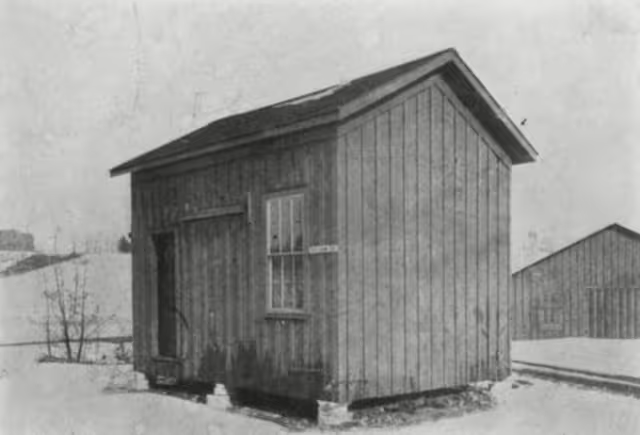
On 30 September 1882, the Vulcan Street Plant began generating electricity on the Fox River in Appleton, Wisconsin. Combining water power with an Edison generator, the installation supplied electric lighting to nearby buildings and became an important milestone in the early history of commercial hydroelectricity.
Turning River Power into Electric Light
The project was driven by Henry J. Rogers, a local paper manufacturer who saw an opportunity to apply the emerging technology of electric lighting to his community. With support from local investors, he developed an installation that harnessed the Fox River’s power.
Water already provided mechanical energy for industry. At Appleton, that familiar resource gained a new role: driving a generator whose electricity could travel through wires to illuminate buildings.
A Small Plant with Big Significance
The installation used an Edison Type K dynamo driven by a water-powered turbine. Producing approximately 12.5 kilowatts, it initially supplied lighting to two paper mills and Rogers’s home.
Its output was modest, but its significance lay in demonstrating a practical combination of existing water-power machinery and a new electrical system. The plant began operating just 26 days after Edison’s steam-powered Pearl Street station opened in New York City.
Understanding Its Place in History
Vulcan Street is sometimes described as the world’s first hydroelectric power station, but that broad claim overlooks earlier developments. At Cragside in England, for example, water-generated electricity had been used to light a private house in 1878.
The American Society of Mechanical Engineers gives Appleton a more specific distinction: it was the first Edison hydroelectric central station to serve private and commercial customers in North America. This places its achievement within the wider, international development of electrical power.
An Early Step Toward Electrification
The Appleton project showed how a river could supply both industrial activity and electric lighting. It helped establish hydroelectric generation as a practical option during an era when electricity was beginning to enter everyday life.
The events of 30 September 1882 therefore mark a significant step in the transition from using flowing water to drive machinery directly to using it to generate electricity for a community.
Other Events on This Day
Credits: 1st photo: Unknown photographer / The Wisconsin Magazine of History, vol. 6, no. 2 (1922), via Wikimedia Commons. Public domain. Sources: ASME — Vulcan Street Power Plant; Library of Congress — Today in History: September 30; National Trust — Hydroelectric Power at Our Places


