
Oct
2
2
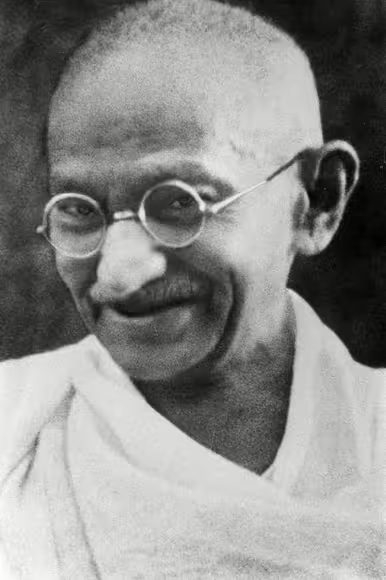
On 2 October 1869, Mohandas Karamchand Gandhi, later widely known as Mahatma Gandhi, was born in Porbandar, in present-day Gujarat, India. He became a leading figure in the Indian independence movement and one of the most influential advocates of nonviolent resistance.
His birthday is now observed as the International Day of Non-Violence, connecting the anniversary of his birth with a worldwide effort to promote peaceful ways of confronting injustice.
Developing a Philosophy of Resistance
Gandhi’s approach took shape during his years in South Africa, where he worked as a lawyer and organized campaigns against discrimination affecting the Indian community. These experiences helped him develop satyagraha, a method of resistance centred on truth, moral conviction, and nonviolence.
For Gandhi, nonviolence required active commitment. Protesters could refuse to cooperate with injustice, challenge discriminatory laws, and accept imprisonment while maintaining discipline and refusing violent retaliation.
Putting Principles into Practice
After returning to India in 1915, Gandhi became a prominent leader in the struggle for independence from British rule. He used marches, boycotts, and civil disobedience to involve large numbers of people in public action.
One of his best-known campaigns was the Salt March of 1930, which challenged British control over salt production and taxation. By focusing on an everyday necessity, the campaign connected a broader demand for freedom with something familiar to ordinary households.
An Influence Beyond India
Gandhi’s methods reached far beyond the country where he was born. Martin Luther King Jr. drew inspiration from his approach when developing the strategy of nonviolent protest used in the American civil rights movement.
This influence showed how ideas could travel between societies facing different circumstances. Gandhi’s example offered a way to combine organized resistance with a commitment to the dignity of others.
The International Day of Non-Violence
On 15 June 2007, the United Nations General Assembly established 2 October as the International Day of Non-Violence. The observance encourages education and public awareness about nonviolence, tolerance, and peaceful coexistence.
Gandhi’s birth anniversary thus provides an opportunity to consider a question that remains relevant across generations: how can people pursue meaningful change while refusing to make violence their means of achieving it?
Other Events on This Day
Credits: 1st photo: Unknown photographer / Wikimedia Commons. Public domain. Sources: Government of India — Mahatma Gandhi; Stanford University — Gandhi, Mohandas K.; United Nations — International Day of Non-Violence


