
Sep
27
27
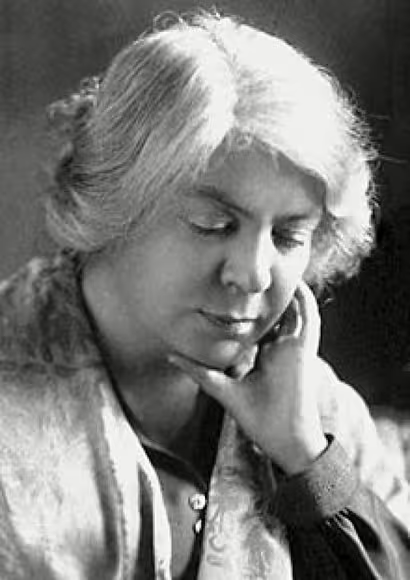
On 27 September 1871, Grazia Deledda was born in Nuoro, on the Italian island of Sardinia. Through novels and short stories shaped by her homeland, she brought the island’s landscapes, traditions and human struggles to an international readership. Her literary achievement earned her the 1926 Nobel Prize in Literature.
A Writer Who Educated Herself
Deledda received only a few years of formal schooling, but continued her education through extensive reading. Italian literature and works by writers from other European countries helped broaden her understanding of storytelling.
She began publishing while still young, pursuing her ambitions despite resistance from her family and the expectations of her local community. Writing became a lasting commitment, eventually producing a substantial body of novels, short stories, poetry and other works.
Sardinia at the Heart of Her Fiction
After marrying Palmiro Madesani in 1900, Deledda moved to Rome. Yet Sardinia remained central to her imagination. Its villages, rural customs and landscapes provided more than settings: they helped shape the choices and conflicts of her characters.
Her fiction frequently explores love, guilt, duty and the desire for redemption. Characters struggle between personal wishes and obligations to family or community, giving her regional stories a broader human significance.
Among her best-known novels are Elias Portolu (1903), Ashes (1904), Reeds in the Wind (1913) and The Mother (1920). Their emotional intensity and attention to inner conflict helped establish her reputation beyond Italy.
Recognition from the Nobel Committee
Deledda became the first Italian woman to receive the Nobel Prize in Literature. The award recognised both her vivid portrayal of Sardinian life and the sympathetic depth with which she explored human problems.
Although the prize was designated for 1926, it was announced and presented in 1927. This distinction explains why both years appear in accounts of her achievement.
A Literary Voice Worth Rediscovering
Deledda continued writing after receiving the Nobel Prize and died in Rome in 1936. Her autobiographical novel Cosima appeared posthumously the following year.
Her birth anniversary offers an opportunity to discover a writer whose close attention to one island opened a window onto experiences shared far beyond it: belonging, longing, moral uncertainty and the consequences of difficult choices.
Other Events on This Day
- Champollion Announces a Breakthrough in Deciphering Egyptian Hieroglyphs
- The Stockton and Darlington Railway Opens
Credits: 1st photo: Nobel Foundation / Wikimedia Commons. Public domain. Sources: NobelPrize.org – Grazia Deledda: Facts; NobelPrize.org – Grazia Deledda: Voice of Sardinia; University of Chicago – Grazia Deledda


