
Oct
18
18
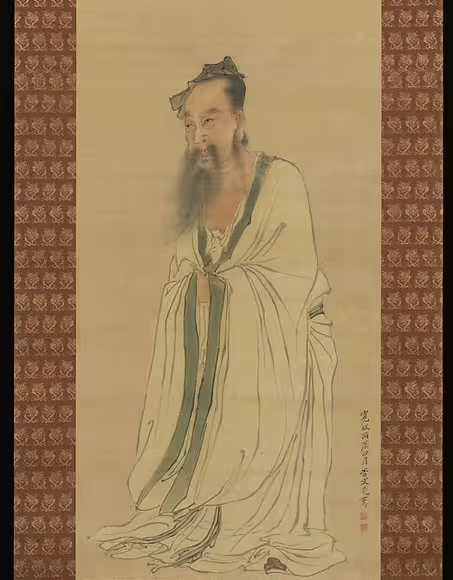
On October 18, 1130, Zhu Xi was born in China’s Fujian province. A philosopher, teacher and writer of the Southern Song dynasty, he became one of the most influential interpreters of Confucian thought. His ideas helped shape education and intellectual life across East Asia for centuries.
Learning as a Lifelong Practice
Zhu Xi approached learning as a way to develop character. Reading mattered, but so did reflection, careful attention to the world and responsible conduct towards others. Understanding and action belonged together: knowledge should influence how a person lived.
This approach formed part of his contribution to Neo-Confucianism, a tradition that renewed earlier Confucian teachings while exploring questions about human nature and the organisation of the universe.
The Lasting Influence of the Four Books
Among his most important achievements were his editions and commentaries on the Four Books: the Great Learning, the Analects, the Mencius and the Doctrine of the Mean.
After his death, these works became central to China’s imperial examination system. Generations of aspiring officials encountered the Confucian tradition through his interpretations. His influence also spread to Korea, Japan and Vietnam, where scholars adapted and debated his ideas.
A Legacy Beyond His Lifetime
Zhu Xi died on April 23, 1200. His writings continued to invite readers to consider the relationship between education and character. His birthday offers an opportunity to remember a thinker who placed sustained learning at the heart of a meaningful life.
Other Events on This Day
- Christina Koch and Jessica Meir Complete the First All-Woman Spacewalk
- The Birth of D. T. Suzuki, the Japanese Scholar Who Introduced Zen to New Audiences
Credits: 1st photo: Tani Bunchō, Portrait of Zhu Xi, 1796. Calligraphy by Shibano Ritsuzan. The Metropolitan Museum of Art, Mary and Cheney Cowles Collection, Gift of Mary and Cheney Cowles, 2023 (2023.583.27). Public domain. Sources: Spencer Museum of Art — Zhu Xi; Stanford Encyclopedia of Philosophy — Zhu Xi


