
Oct
29
29
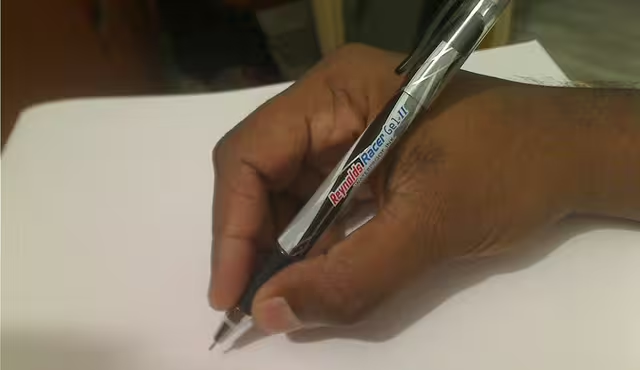
On October 29, 1945, shoppers flocked to Gimbels department store in New York City to buy an unusual new writing instrument: the Reynolds ballpoint pen. Priced at $12.50, it was an expensive novelty, yet its promise of convenient writing without frequent refilling made it an immediate attraction.
A Small Ball with a Big Future
The technology behind the excitement had a history stretching back decades. Hungarian inventor László Bíró helped turn the ballpoint into a practical writing instrument, developing a design suited to thick, quick-drying ink. His pens reached the Argentine market before Reynolds launched his American product.
Instead of a conventional nib, a ballpoint uses a tiny rotating ball held in a socket. As the tip moves across paper, the ball transfers ink onto the surface. Making this simple-sounding mechanism work consistently required careful attention to both the ink and the precision of the parts.
A Spectacular American Debut
Entrepreneur Milton Reynolds recognized the commercial opportunity and rushed his own version onto the American market. The launch at Gimbels drew enormous crowds, and approximately 30,000 pens were sold during the first week.
For customers emerging from the restrictions of wartime, the pen offered an appealing glimpse of modern convenience. A familiar daily activity suddenly seemed ready for a technological transformation. Reynolds had turned a writing instrument into a highly desirable gift and a national talking point.
From Expensive Novelty to Everyday Essential
The early excitement did not mean the product was perfect. Some Reynolds pens suffered from unreliable ink flow, and thousands were returned. Competitors soon entered the market, while manufacturers continued improving their designs.
The significance of that October morning lies in the scale of the public response. The ballpoint still needed refinement, but its commercial potential was unmistakable. In the decades that followed, increasingly affordable and dependable versions would become everyday companions in classrooms, offices and homes around the world.
Other Events on This Day
- ARPANET Sends Its First Message, Opening a Path to the Internet
- Turkey Becomes a Republic and Elects Mustafa Kemal as Its First President
Credits: 1st photo: Chocolate Horlicks / Wikimedia Commons, CC BY-SA 3.0. Sources: TIME — Why the Invention of the Ballpoint Pen Was Such a Big Deal; ASME — Birome Ballpoint Pen Collection; TIME — Corporations: On the Ball; The New Yorker — The Amphibious Pen


