
Oct
22
22
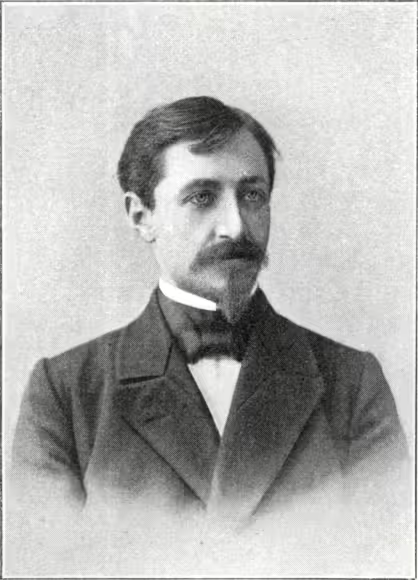
On October 22, 1870, Ivan Alekseyevich Bunin was born in Voronezh, Russia. A poet, short-story writer and novelist, he would become celebrated for his precise language and sensitive exploration of memory, love and the passing of time. In 1933, he became the first Russian writer to receive the Nobel Prize in Literature.
A Literary Life Begins
Bunin spent much of his childhood in the Russian countryside, an environment that would leave a lasting mark on his imagination. He began publishing poetry while still young, and his first collection of poems appeared in 1891.
Although his international reputation came to rest largely on his prose, poetry remained an important part of his work. He also translated literature, including Henry Wadsworth Longfellow’s The Song of Hiawatha, bringing another writer’s rhythms and imagery to Russian readers.
Stories of Beauty and Fragility
Among Bunin’s best-known works are The Village and The Gentleman from San Francisco. His fiction could confront the harshness of rural existence or explore the uncertainty hidden beneath wealth and comfort. Across these different settings, he returned to questions of human vulnerability and the fleeting nature of happiness.
His writing combines careful observation with the intensity of a poet’s attention. Landscapes, remembered encounters and seemingly ordinary details become ways of revealing the emotional lives of his characters.
International Recognition
Bunin settled in France in 1920 and continued writing in Russian. His later works included The Life of Arseniev and the love stories collected in Dark Avenues.
The Nobel Prize recognised the artistic discipline with which he continued the traditions of classical Russian prose. His achievement drew international attention to a literary career spanning both poetry and fiction.
Bunin died in Paris in 1953. His books preserve a distinctive voice: attentive to beauty, conscious of loss and deeply interested in the moments that remain alive in memory.
Other Events on This Day
- André-Jacques Garnerin Makes the First Recorded Parachute Descent from a Balloon
- India Launches Chandrayaan-1 — The Lunar Mission That Helped Reveal Water on the Moon
Credits: 1st photo: Unknown photographer. Published in Gallery of Russian Writers, 1901, p. 555, via Wikimedia Commons. Public domain. Sources: NobelPrize.org — The Nobel Prize in Literature 1933; Poetry Foundation — Ivan Bunin; Presidential Library — Ivan Bunin: Birth and Biography


