
Jan
1
1
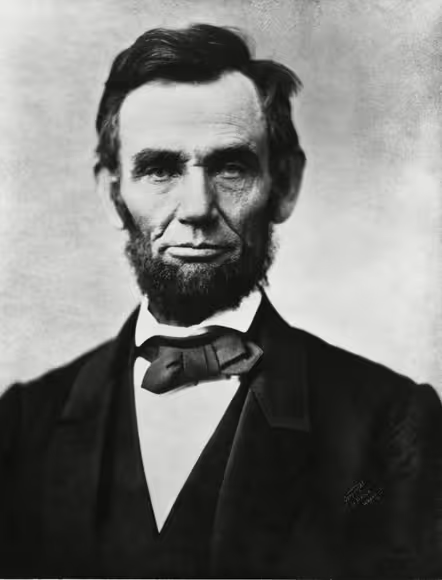
On January 1, 1863, President Abraham Lincoln issued the Emancipation Proclamation, declaring enslaved people in designated rebellious states and parts of states to be free. As the American Civil War continued, the document made emancipation a central purpose of the Union’s struggle.
A Decision Months in the Making
Lincoln had been developing his emancipation policy during 1862. In September, he issued a preliminary proclamation announcing that freedom would be declared for enslaved people in areas still rebelling against the United States on New Year’s Day. The final proclamation put that announced policy into effect.
Issued under Lincoln’s authority as commander-in-chief, the measure linked the destruction of slavery in rebellious territory to the military effort to defeat the Confederacy.
What the Proclamation Changed
The proclamation had significant limits. It did not apply to slaveholding border states that remained in the Union, and it specifically exempted certain Confederate areas already under Union control. Enforcing its promise depended on the progress of Union forces.
It also authorised the recruitment of Black men into the armed services. People who had escaped slavery could now take part in the military struggle to secure freedom for others. Their actions helped turn the proclamation’s promise into reality.
The Road to Nationwide Abolition
A permanent nationwide end to slavery required a constitutional change. Congress passed the Thirteenth Amendment on January 31, 1865, and the necessary states ratified it by December 6 that year. It prohibited slavery and involuntary servitude throughout the United States, except as punishment for a crime following conviction.
The distinction matters: January 1, 1863, marked a decisive wartime act of emancipation, while the amendment established a broader constitutional prohibition. Together, these developments transformed American law and society, although the struggle for equal rights continued long after slavery’s abolition.
Credits: 1st photo: Alexander Gardner, 1863. Library of Congress, via Wikimedia Commons. Public domain. Sources: National Archives — Emancipation Proclamation (1863); National Archives — The Preliminary Emancipation Proclamation; National Archives — 13th Amendment to the U.S. Constitution: Abolition of Slavery (1865)


