
Dec
23
23
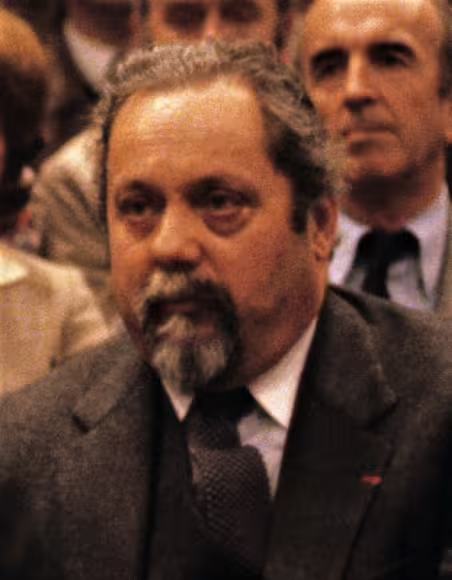
On December 23, 1952, French physician and biologist Alain Bombard reached Barbados after a solo Atlantic crossing lasting sixty-five days. Travelling in a small inflatable sailing boat named L’Hérétique, he had undertaken a dangerous experiment intended to explore how shipwreck survivors might stay alive until rescue.
A Doctor’s Search for Answers
Bombard’s interest in survival at sea grew from his experience of a fatal fishing-boat disaster while working as a young doctor. He became convinced that better equipment, practical knowledge and the ability to resist despair could improve a castaway’s chances.
After research and preliminary voyages, he departed from Las Palmas in the Canary Islands on October 19, 1952, heading west across the Atlantic alone.
Life Aboard L’Hérétique
During the crossing, Bombard reported catching fish, collecting plankton and obtaining liquid from fish flesh. He also collected rainwater when it became available. His account included drinking seawater, a practice that would become one of the most controversial aspects of his experiment.
The familiar description of a voyage “without provisions” needs qualification. Sealed emergency supplies were carried aboard, although Bombard reported leaving them untouched. He also accepted a meal aboard a passing cargo ship before continuing his journey.
Arrival at a Heavy Physical Cost
Reaching Barbados was a remarkable achievement, but survival had taken a severe toll. Bombard arrived greatly weakened and had suffered substantial weight loss and other health problems.
His book Naufragé volontaire, published in 1953, brought the experience to a wider audience. The voyage also supported his campaign to improve lifesaving equipment, particularly inflatable life rafts.
An Enduring Story, with Important Limits
Bombard’s crossing demonstrated extraordinary endurance, but one person’s survival could not establish that every method he used was safe. Drinking seawater can worsen dehydration and can be fatal. His account should therefore be understood as a historical experiment, rather than practical survival guidance.
The lasting significance of the voyage lies in the attention it brought to survival at sea: the importance of preparation, suitable equipment and the determination to keep seeking rescue.
Other Events on This Day
- Bell Labs Demonstrates the Transistor That Helped Transform Electronics
- Chet Baker Is Born, a Distinctive Trumpet Player and Voice of Cool Jazz
Credits: 1st photo: Philippe Roos, 1981, via Wikimedia Commons, CC BY-SA 2.0. Cropped from the original photograph. Sources: Larousse — Alain Bombard; Le Monde — Alain Bombard; Pantaenius — Alain Bombard, histoire d’un hérétique; NOAA — Can Humans Drink Seawater?


